If you are new to terrariums and wondering which plants are best to start with, you’re in the right place! A terrarium is like a little garden in glass – low maintenance, beautiful, and perfect for home or office decor. But choosing the right plants is the key to keeping it healthy and long-lasting.
Now lets explore 5 easy terrarium plants that thrive in Indian homes, even if you don’t have much gardening experience.
What is a Terrarium?
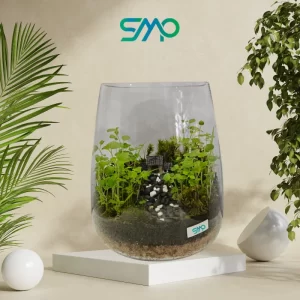
A terrarium is a glass container that houses plants, soil, and decorative elements. It works like a mini-ecosystem, keeping plants healthy with minimal care. Terrariums can be:
Closed terrariums – Best for moisture-loving plants (like ferns, moss, and Fittonia).
Open terrariums – Great for plants that prefer airflow (like cacti, succulents, or Syngonium).
They make excellent décor pieces and also help purify indoor air.
The 5 Best Plants for Beginners:
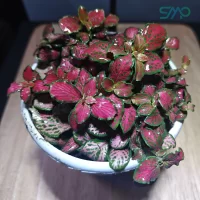
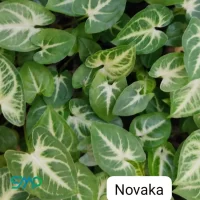
1. Fittonia (Nerve Plant)
Fittonia is one of the most popular terrarium plants because of its stunning colorful veins (red, pink, or white). It loves humidity and low light, making it perfect for closed terrariums. (Tip: Keep the soil slightly moist but not soggy.)
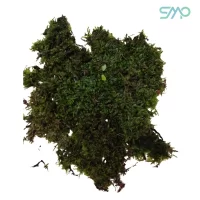
2. Moss
Moss adds a fresh green carpet to your terrarium. It doesn’t need direct sunlight and grows well in humid conditions. A great filler plant for the base layer. (Tip: Mist occasionally to keep moss lush and green.)
3. Ferns
Mini ferns like Maidenhair or Button Ferns do really well inside terrariums. They enjoy shade and humidity, so they stay happy in a glass jar or dome. base layer. (Tip: Trim yellow leaves to keep the plant fresh.)
4. Peperomia
Peperomia varieties are compact and hardy, making them excellent choices for beginners. Their thick leaves store water, so they don’t need frequent care. (Tip: Works well in both open and closed terrariums.)
5. Syngonium (Arrowhead Plant)
Syngonium grows fast, adapts easily, and brings a nice tropical look to terrariums. You can prune it to keep it small and neat. (Tip: Best for open terrariums with indirect light.)
Basic Layers of a Healthy Terrarium
When setting up your terrarium, don’t just add soil and plants – the right layers help your mini-garden thrive:
Pebbles/Gravel/Pumice/Leca Clay balls – Drainage layer to prevent root rot.
Activated Charcoal – Absorbs toxins and keeps Odors away.
Sphagnum Moss – Sphagnum moss holds water extremely well, keeping the terrarium environment humid for longer periods. Also it helps in reduce water needs.
Soil Mix – Choose soil based on plant type (cactus mix for succulents, rich mix for ferns and Fittonia).
Plants – Place taller plants at the back, smaller ones in front.
Decor – Add driftwood, figurines, or decorative stones to make it unique.
Care Tips for Terrarium Plants:
Place your terrarium in bright, indirect light (avoid harsh sunlight).
Water sparingly – terrariums need less water than regular pots.
Keep the glass clean for better plant health and aesthetics.
For closed terrariums, open the lid occasionally to prevent excess moisture.
Common Mistakes to Avoid:
Overwatering – Too much water can cause root rot.
Direct Sunlight – Glass magnifies heat, which can burn plants.
Overcrowding – Too many plants reduce airflow.
Ignoring Trimming – Prune regularly to avoid overgrowth.
Final Thoughts
Starting your terrarium journey is exciting, and choosing easy-care plants ensures success. Begin with these beginner-friendly options, and once you gain confidence, you can experiment with other varieties. Explore our Terrarium Plants Collection and Accessories to start building your own beautiful mini garden today!